💡 New research from Bangladesh suggests that excessive screen time among young children has become a global phenomenon.
Worrying about toddlers and screens sometimes feels like a Western pastime. It can seem like excessive screen use is mostly a concern for urban, high-income households in wealthy countries. But a recent study on screen use among under-fives in Bangladesh suggests that picture may be far from complete.
The researchers interviewed 506 Bangladeshi parents about their children’s screen habits and then compared the findings with WHO and American Academy of Pediatrics guidelines: no screens for under-twos, and a maximum of one hour a day for two-to-fives. They found that nearly 86% of children were exceeding those limits. That is nearly nine in ten — significantly higher than the global average of 64% for two-to-five-year-olds.
Bangladesh is a lower‑middle‑income country, and many families live on modest incomes, but the economy has grown strongly over the last decade. This growth has gone hand in hand with a quiet digital revolution in people’s daily lives. Today, virtually every Bangladeshi household has a mobile phone (99%), and almost three quarters of all homes have an internet-connected device capable of streaming video. The researchers found that having a mobile phone with internet connection more than tripled the likelihood of a child exceeding screen time limits.
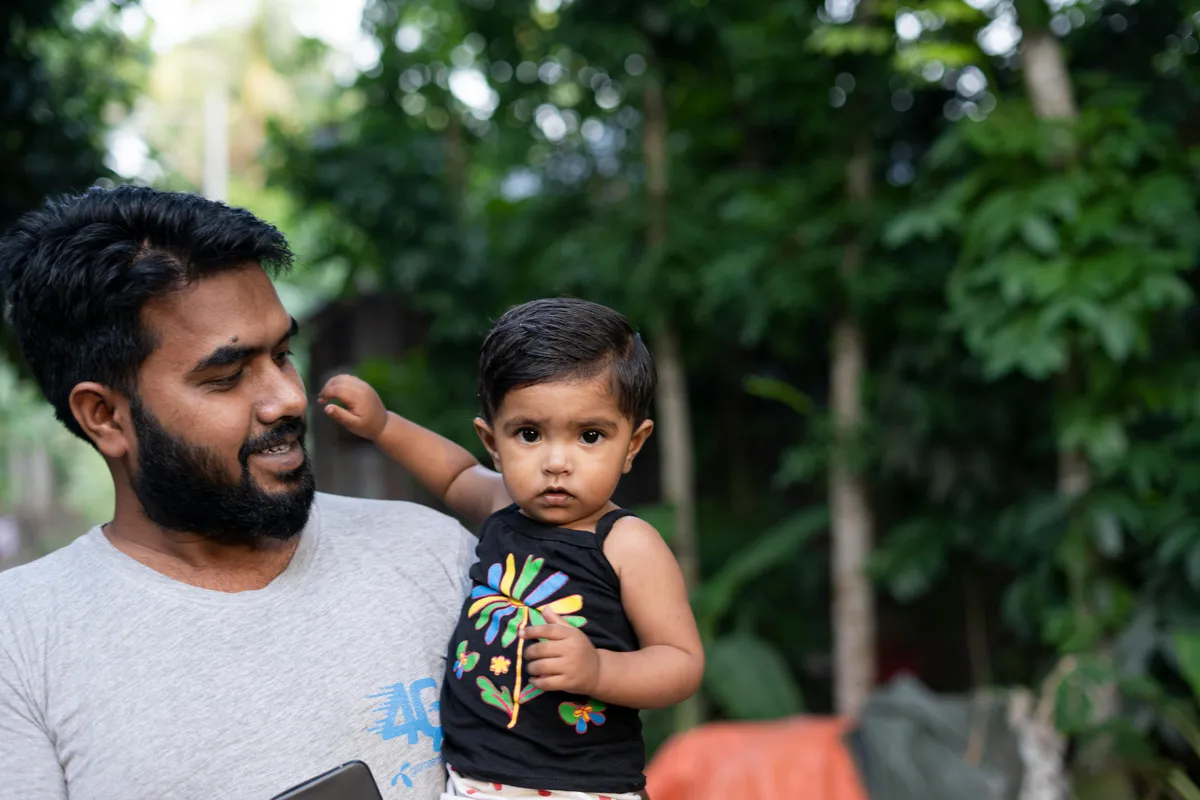
Most homes in Bangladesh have at least one smartphone
The WHO and AAP guidelines have their critics, but the underlying concern is well-founded. The years between two and five are a critical window for language development, attention, and social learning. A 2025 systematic review found that excessive screen time in early childhood is consistently linked to less favourable outcomes for sleep, physical activity, and socio-emotional development. Clearly, these risks do not respect borders or income levels.
Excessive screen time is not a Western parenting anxiety; it is a global concern for children’s development. What parents everywhere need is clear information about the risks, and simple tools and platforms that help them guide their children toward healthy screen habits from the start.