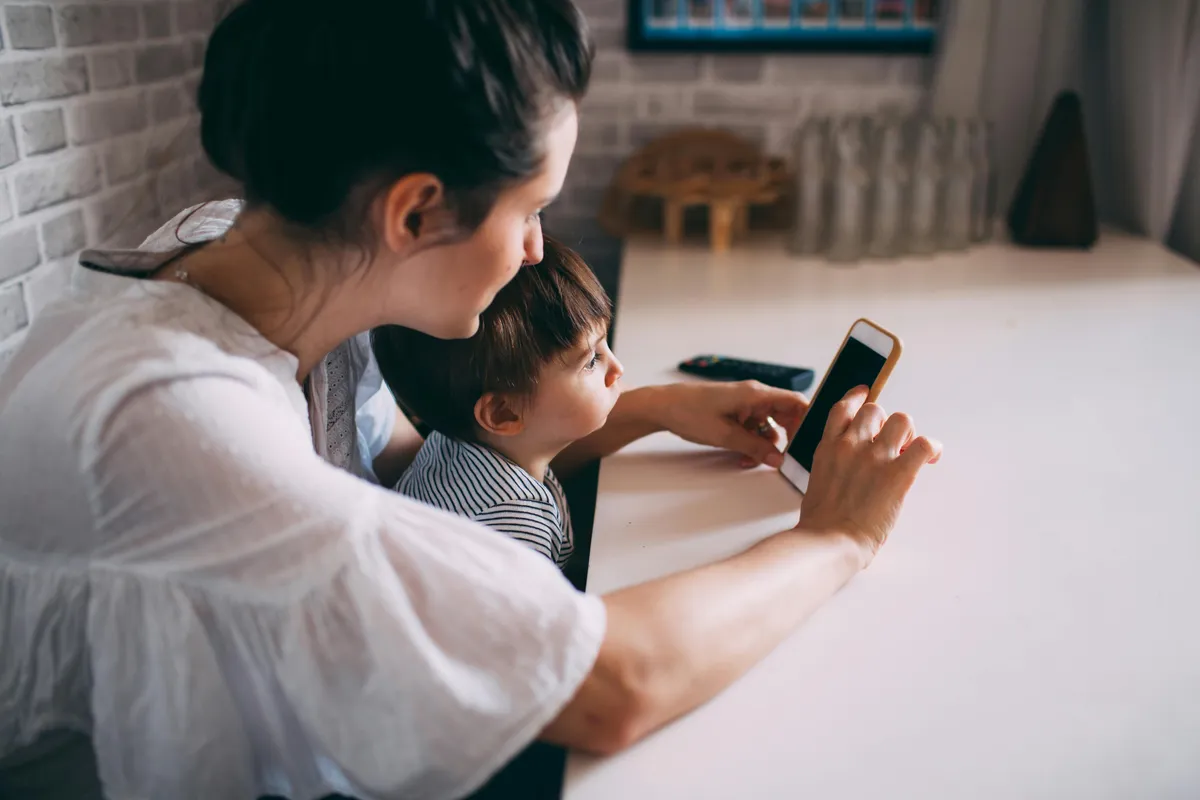
💡 Research shows that for preschoolers, screens are often switched on not because children ask for them, but because they make life easier for parents.
If you have ever handed your toddler a tablet just to get dinner on the table, you are not alone. Many parents worry about how much time their young children spend on screens, but rarely talk about one important reality: sometimes, screens make everyday family life easier.
A Dutch study explored this often overlooked side of children’s screen use. The researchers interviewed parents of children aged 3 to 16, and found that parents’ own needs regularly shape when and why children use digital media. The pattern was especially common in families with preschoolers aged 3 to 5.
The most common reason was practical. Parents often used screens to create “free hands” so they could cook, clean, pack bags, answer emails, or make a phone call without constant interruptions. Many parents also described using screen time to create small moments of rest for themselves, such as reading a book or staying in bed slightly longer during the weekend.
The study found that with younger children, parents often actively shape screen use. They suggest watching something, build fixed “screen moments” into the day, or use screens to help children stay calm in restaurants, waiting rooms, or long car rides.
As children grow older, this changes. Parents become less likely to actively start screen use themselves, and more likely to simply avoid intervening when screens are convenient. The researchers found that parents of teenagers often described letting screen time continue longer than intended because they were busy, tired, or did not want an argument.
What starts as a practical solution can gradually become a family habit
The study does not argue that digital media are inherently harmful. Nor does it suggest parents are doing something wrong. In many cases, screens genuinely help families cope with the pressures of daily life. But the researchers do suggest that these habits can gradually become difficult to manage over time, especially when screens become a regular solution for boredom, stress, or keeping the peace at home.
For parents of young children, the findings may simply be a reminder to pause and reflect occasionally. If screens are mostly being used to buy time, it may help to think about small alternatives too: simple toys, quiet activities, audiobooks, or calm-down routines that do not always rely on a device.